Upper Hunter farmers and poultry producers are being urged to strengthen on-farm biosecurity as NSW ramps up surveillance for H5 bird flu, following the first confirmed detection of the virus on the Australian mainland.
On 20 June 2026, the CSIRO Australian Centre for Disease Preparedness confirmed the first detection of the H5 highly pathogenic avian influenza strain on the Australian mainland, found in two wild migratory seabirds on Western Australia’s southern coast. While NSW remains free of H5 bird flu, the detection has triggered a significant escalation in preparedness activity across the state.
Local Land Services field officers across NSW, including those covering the Hunter, are among more than 380 additional staff trained by the NSW Government to undertake surveillance and respond to potential H5 detections. A dedicated H5 bird flu call centre has been established, and a State Coordination Centre has been stood up at the Department of Primary Industry and Regional Development’s Orange Agricultural Institute to coordinate any response should a case be confirmed in NSW.
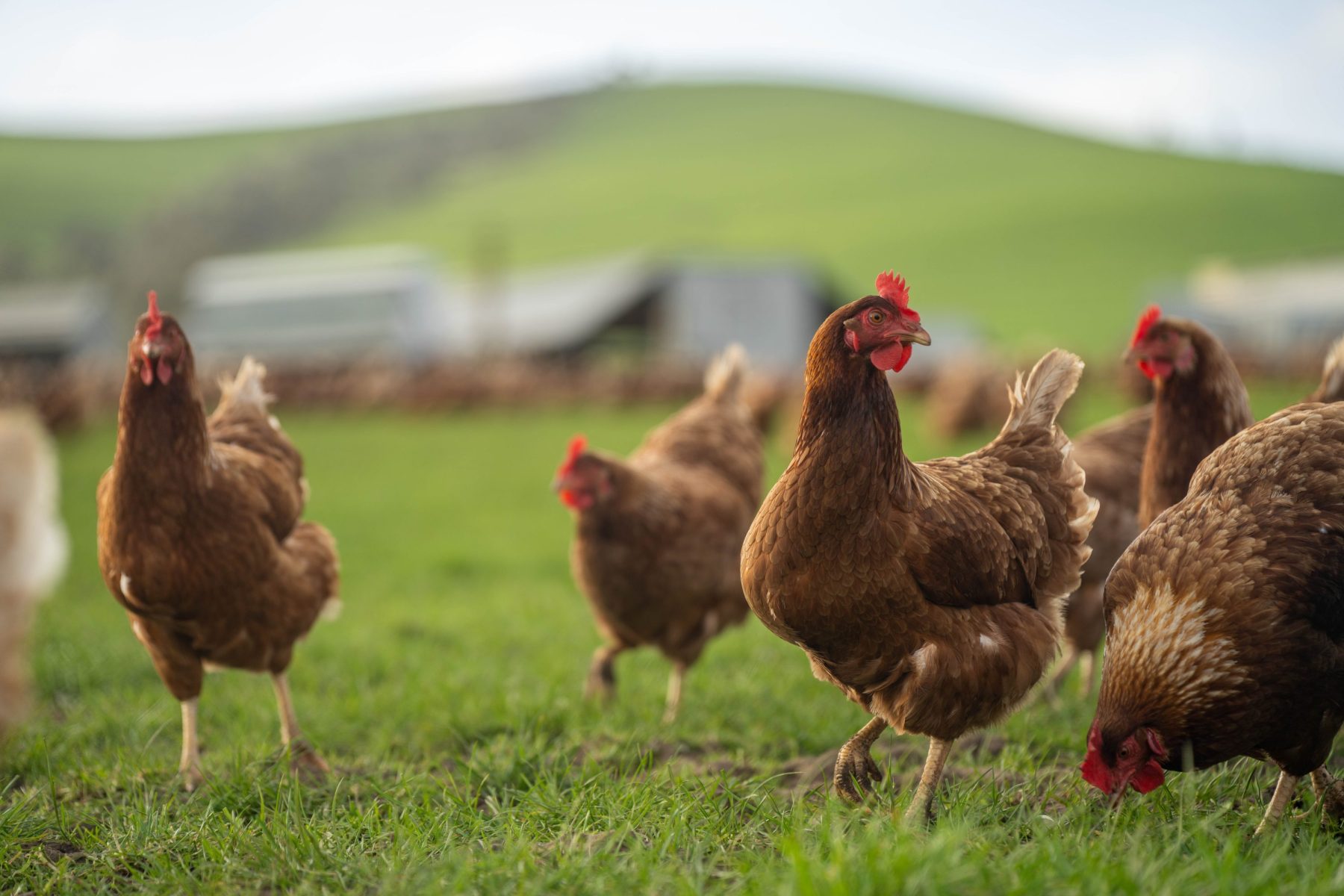
Poultry producers and farmers in the Hunter are being advised to review biosecurity practices now, including restricting contact between their birds and wild birds, securing feed and water storage, minimising the movement of people and equipment between properties, and monitoring flocks closely for unusual illness or sudden deaths.
Farmers should report five or more sick or dead wild birds, or one or more sick or dead pelicans, birds of prey, black swans or marine mammals in wetlands or coastal areas to the Emergency Animal Disease hotline on 1800 675 888.
NSW Health advises the risk to human health remains low.