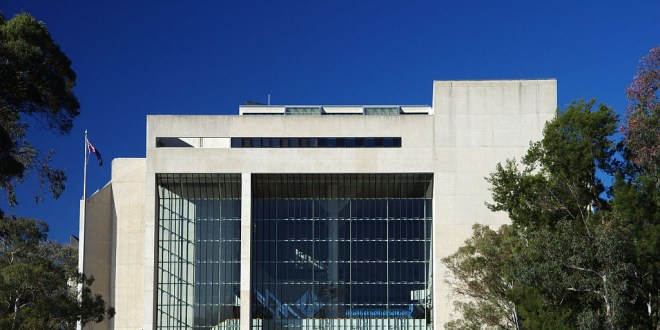
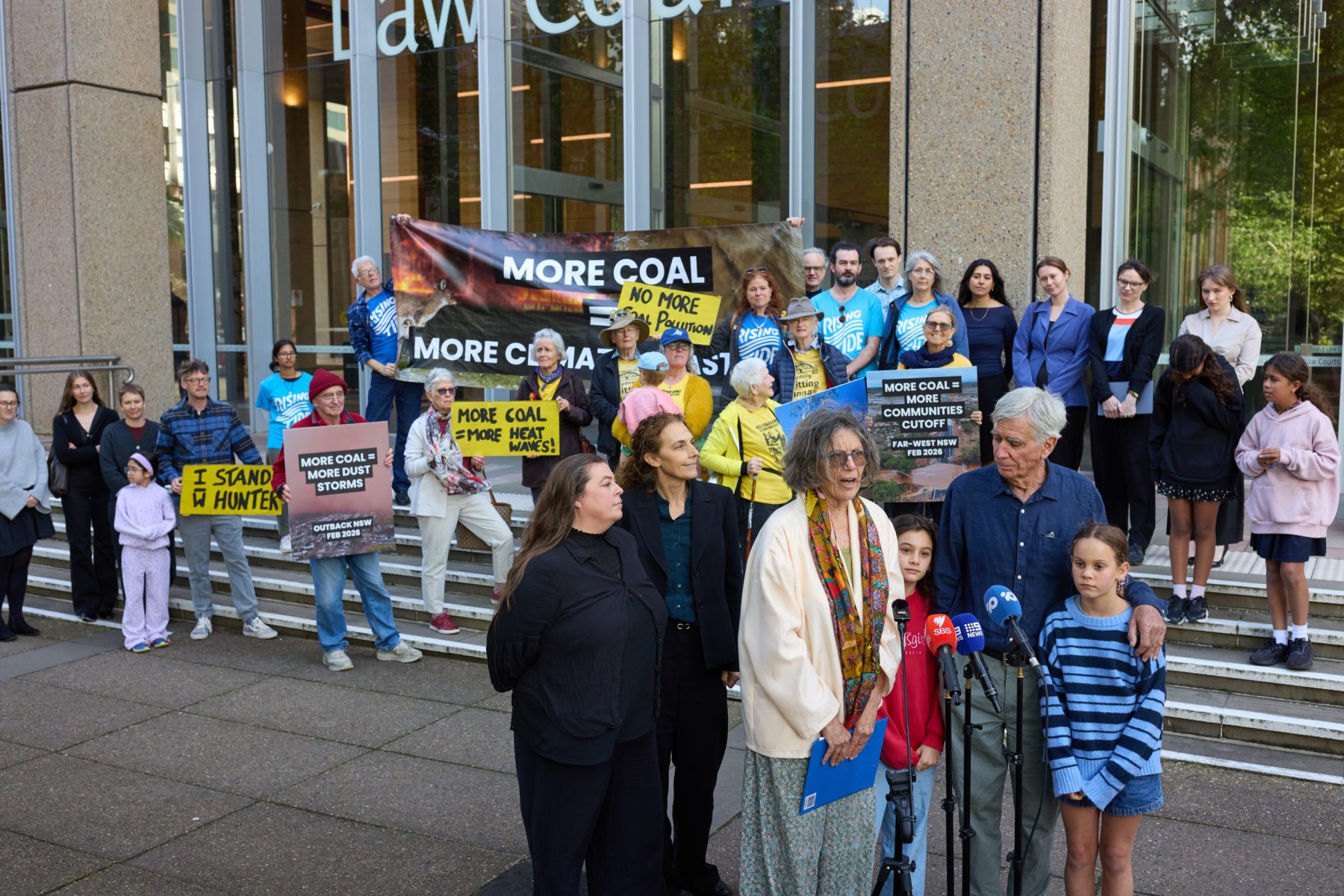
The High Court of Australia has dismissed an appeal by MACH Energy over the approval of its Mount Pleasant coal mine extension near Muswellbrook, finding by a majority that the Independent Planning Commission failed to consider conditions to minimise greenhouse gas emissions from the project.
A 3-2 split decision found the Commission never considered whether to impose conditions to minimise emissions from coal burned overseas. That failure is the only reason the approval was held invalid. It was a procedural failure, not a finding that the emissions are too high or that the mine shouldn’t go ahead. The court said it did not look at the merits.
The court also didn’t refuse the project. It dismissed MACH’s appeal, so the Court of Appeal’s order stands and the matter goes back to the Land and Environment Court. That court must consider orders such as suspending the consent in whole or in part, or setting terms that would make it valid.

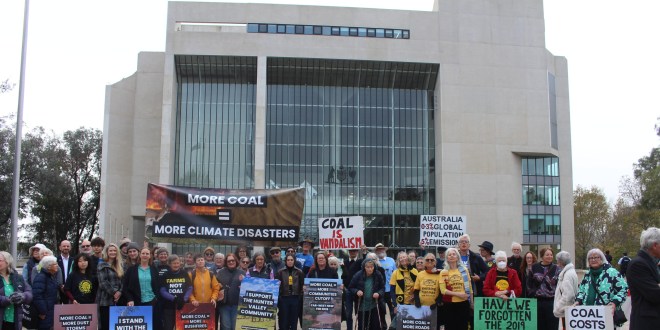
The President of the plaintiff in this case, Denman Aberdeen Muswellbrook Scone Healthy Environment Group Inc (DAMS HEG), said it was a validating verdict.
“Today the High Court has said what we have always known: we cannot dig up coal, ship it overseas, watch it drive climate change, and then pretend the consequences have nothing to do with us and won’t be felt by us.”
The Greens also celebrated the High Court’s verdict.
“For too long, big coal and gas companies have tried to pretend that the emissions from their products are someone else’s problem once they leave Australian shores. They’re not,” said Senator Steph Hodgins-May, Deputy Leader and assistant spokesperson for Climate Change & Energy said:
“When Australian coal is burned overseas, the climate damage doesn’t magically disappear at the port. It comes back to communities here through worsening heat, drought, bushfires and floods.”
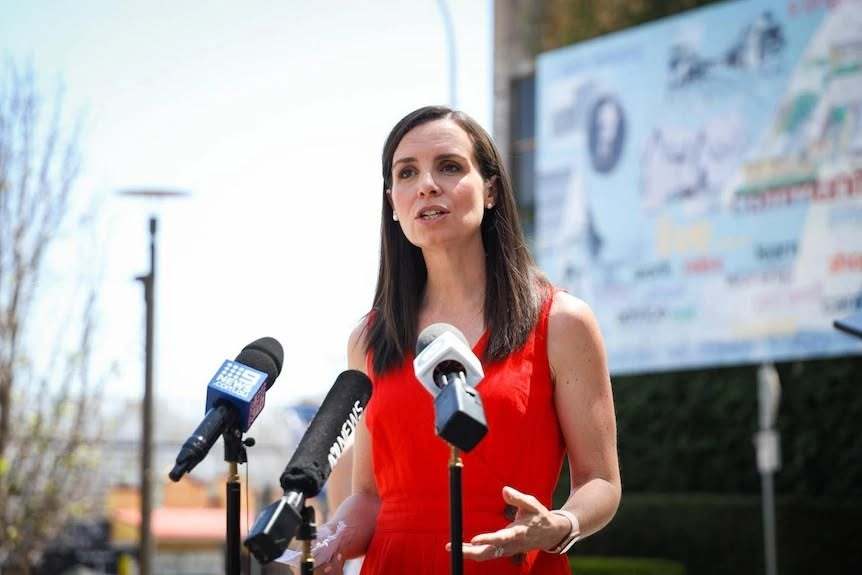
The NSW Government meanwhile were keen to stress that yesterday’s ruling doesn’t bring an iminent closure to the mine.
“We want to be very clear with workers and their families, Mount Pleasant has a separate approval to continue operating until 2032. This decision does not change that,” said Courtney Houssos, Minister for Natural Resources.
“The Court’s decision relates to the way the mine’s expansion was assessed and approved in 2022, under the former government. It does not mean the expansion cannot be reconsidered or that coal mine extensions cannot be approved.”
The NSW Minerals Council echoed that statement, and blamed environmental activists for the ruling.
“This type of activist ‘lawfare’ conducted against approved mining projects creates uncertainty for workers, communities and those seeking to invest in NSW.,” a statement read.
“The NSW Government needs to act decisively to address this ongoing problem by protecting project approvals granted through its planning assessment process.”
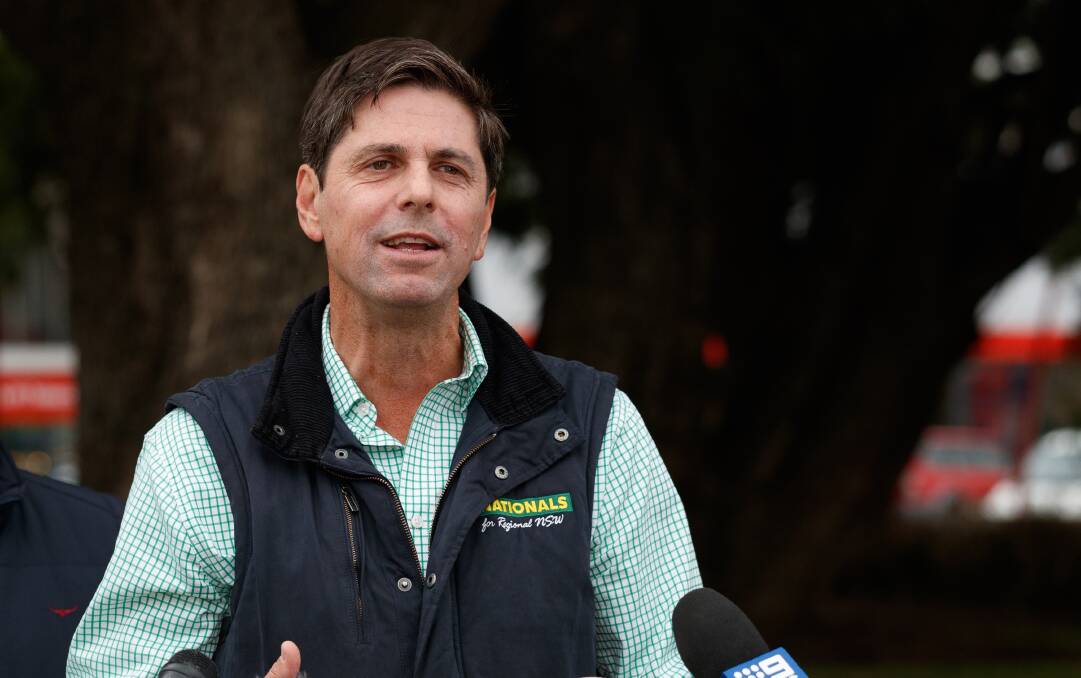
Nationals Upper Hunter MP Dave Layzell threw his criticism at the State Government.
“I’m incredibly disappoined by the High Court decision, that found the emissions of coal burnt overseas is more important than the jobs and livelihoods of people here in the Hunter Valley,” he said.
“The New South Wales Labor Government has to fix this so we are very clear on whether our pojecs here have to comply with the emissions burnt overseas.”
Leader of the Opposition Angus Taylor also blamed the State Government.
“This is activist lawfare and this is legislation by the New South Wales Government which is enabling it,” he said,
“The idea that a mine should be accountable for its customer’s emissions is total madness, and it will lead to the death of our mining industry if it is to continue.”
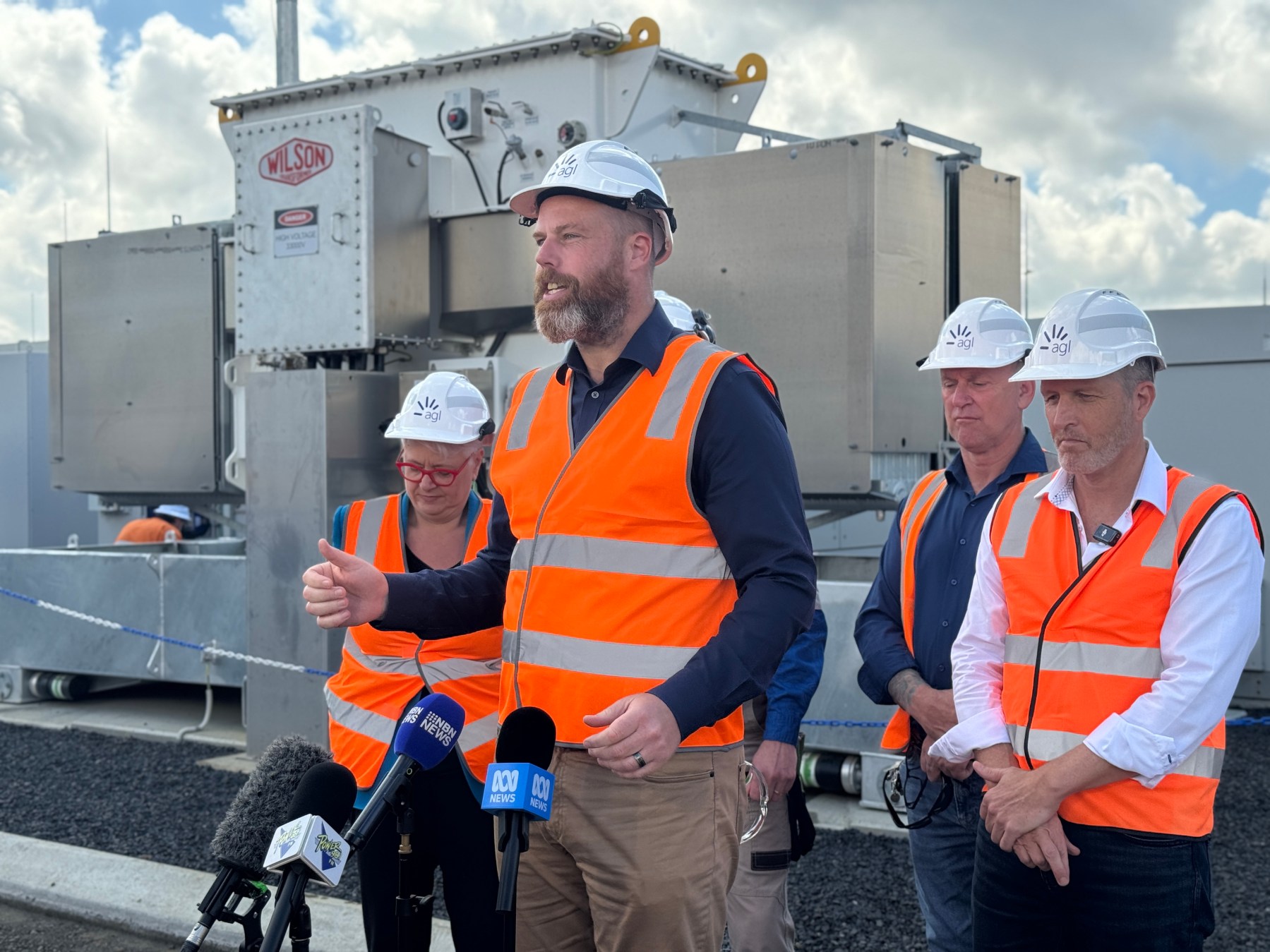
Labor Federal MP for the Hunter Dan Repacholi was keen to dispell rumours of a mining death, but agreed that the decision was disappointing.
“There certainly is a lot of disappointment in the region and so there should be,” he said.
“Federal Environment Minister Murray Watt has made clear that the NSW legal requirement at the centre of this case does not exist in federal environmental law. This decision does not change federal law, and his advice is that no federal law change is needed.
“The NSW Government needs to explain its plan, give people certainty and get on with it.”