
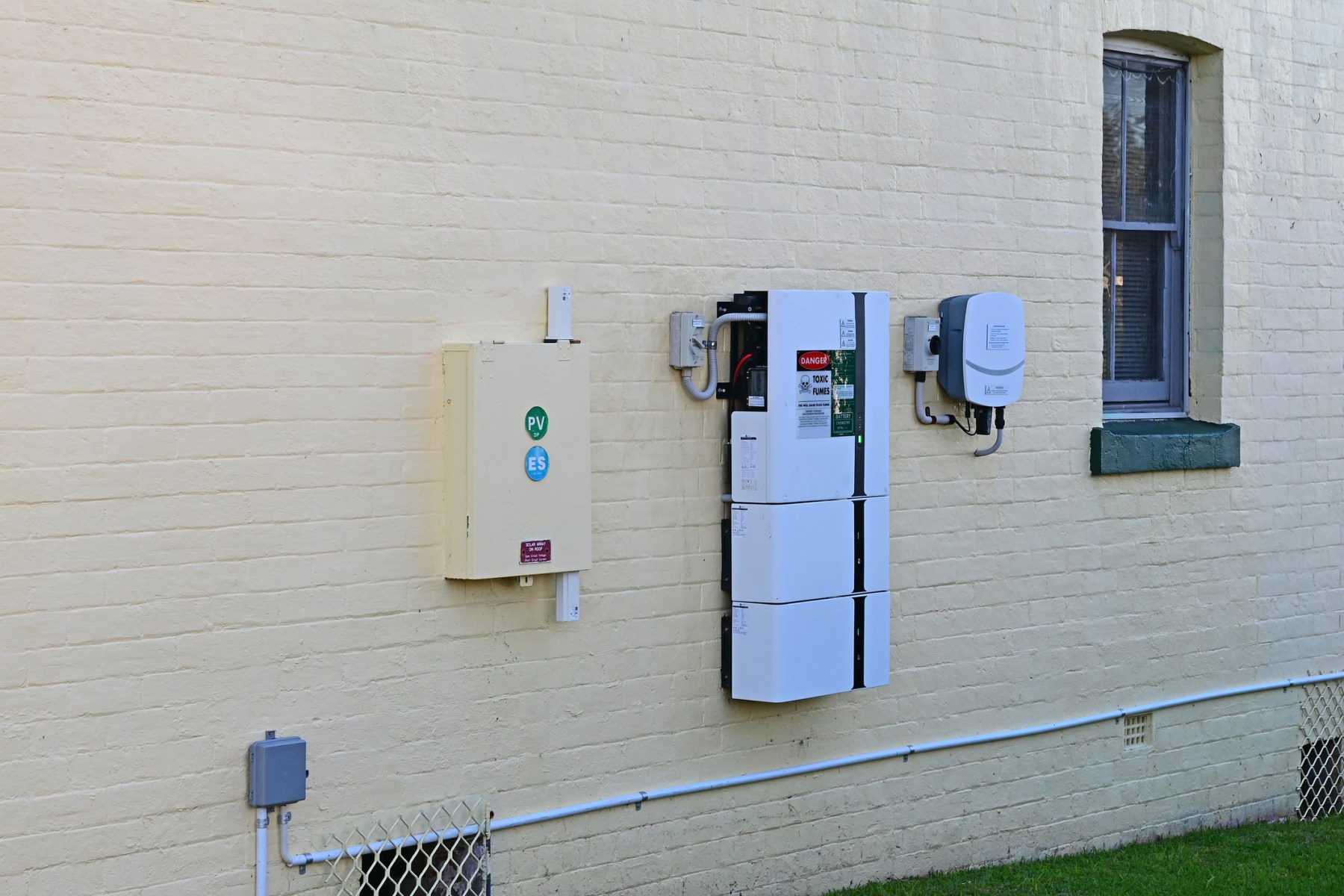
Hunter households are being urged to consider installing a solar battery before May, with federal rebates set to shrink under major changes to the Cheaper Home Batteries Program. The shift to a tiered structure on May 1 will reduce incentives for larger systems and gradually wind the scheme down over coming years.
Compare the Market analysis shows the financial impact could be significant. A 10kWh battery costing around $10,000 currently offers an estimated return on investment of about nine years. With a 30 per cent rebate applied, that payback period falls to roughly 6.3 years. Once the new rules take effect, households could face much longer waits to recoup costs.
From May, the rebate will remain in full for systems up to 14kWh, but drop to 60 per cent for every kilowatt-hour between 14 and 28kWh, and fall again to just 15 per cent for systems up to 50kWh. Further reductions are scheduled every six months from January 2027.
Compare the Market spokesperson Henry Man says declining feed‑in tariffs and the emergence of the so‑called ‘sun tax’ mean batteries are becoming increasingly valuable for households wanting to use more of their own solar energy.
“If you’re looking to slash your energy bills and make the most out of your solar, now is the time to get in early,” he said.
Mr Man encouraged families to seek advice from accredited battery retailers well before the May deadline to determine whether a system is right for their home.