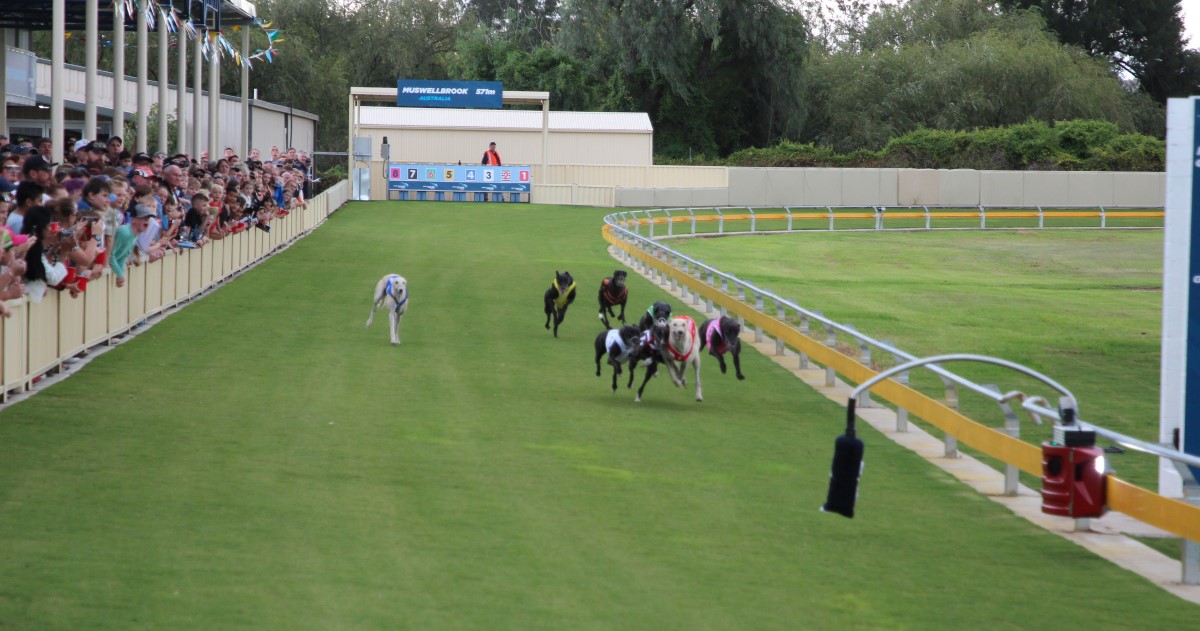
Greyhound Racing NSW has defended its decision to close the Wagga, Muswellbrook and Broken Hill tracks, saying the organisation cannot afford to maintain all 18 TAB venues under the current funding system. CEO Steve Griffin says more than $50 million in industry revenue is redistributed each year to other racing codes, limiting the organisation’s ability to upgrade and maintain tracks.
Mr Griffin said the industry summit held at Wentworth Park in May 2025 unanimously backed the need for a track optimisation plan. The findings were later supported by the Drake report, which recommended the state government end the current revenue redistribution model.
A Deloitte review assessed all 26 race clubs across New South Wales and ranked Wagga 20th, citing lower‑than‑average nomination numbers, higher injury rates and the significant investment required to bring the track up to standard. GRNSW says lease arrangements at the venue would not have changed the overall assessment.
GRNSW also opted to close Muswellbrook instead of Maitland, saying the former required much greater investment and that participants in the region supported retaining a one‑turn track at Maitland.
Mr Griffin says the optimisation plan allows GRNSW to reduce maintenance costs while keeping the same number of races across the state, helping ensure the long‑term financial viability of the sport.
“Any suggestion that racing is in decline as a result of racing at fewer tracks is ridiculous,” Mr Griffin said. “We will be racing the same number of races, if not more, at fewer tracks which will make these clubs, and the industry as a whole, more profitable and reduces the industry’s maintenance costs.
“GRNSW has had to make these difficult decisions as, given the redistribution of our revenue, optimisation of track clubs is in the best financial interests of the sport in terms of ensuring its ongoing commercial viability.”