A new report is urging NSW farmers to reduce their dependence on imported fuels, outlining a clear pathway toward electrified machinery and locally produced biofuels. They’re also calling for big mining companies’ fuel tax credits to be reined in to help fund the transition.
Released by Farmers for Climate Action, the report argues that greater energy independence would strengthen Australia’s fuel sovereignty and help regional communities become more self-reliant. Spokesperson Ellen Litchfield says government subsidies for biofuels would be a practical first step.
“Personally, I would love to see the government subsidising the use of biofuels so then our farmers don’t have to replace any of their current machinery but can quickly become less reliant on imported diesel,” she said.
Central to the report’s recommendations is a call to cap the federal Fuel Tax Credit Scheme at $50 million per claimant – a move advocates say would limit large mining companies’ access to the scheme and free up significant savings for farmers. Litchfield says those savings should be put to work in regional communities.
“The savings that we could get from the capped diesel fuel rebate should go back to helping farmers adjust to their huge increase in diesel prices and new technologies, as well as improving our rural roads that we all know are pretty wrecked,” she said.
While the electrification of farm equipment is already underway in some areas, Litchfield says the bigger machinery remains a sticking point.
“We’re already seeing farmers adopting the electric options for a lot of small to medium applications, like all the tools in our shed are battery operated, and most houses and sheds are on solar and batteries,” she said.
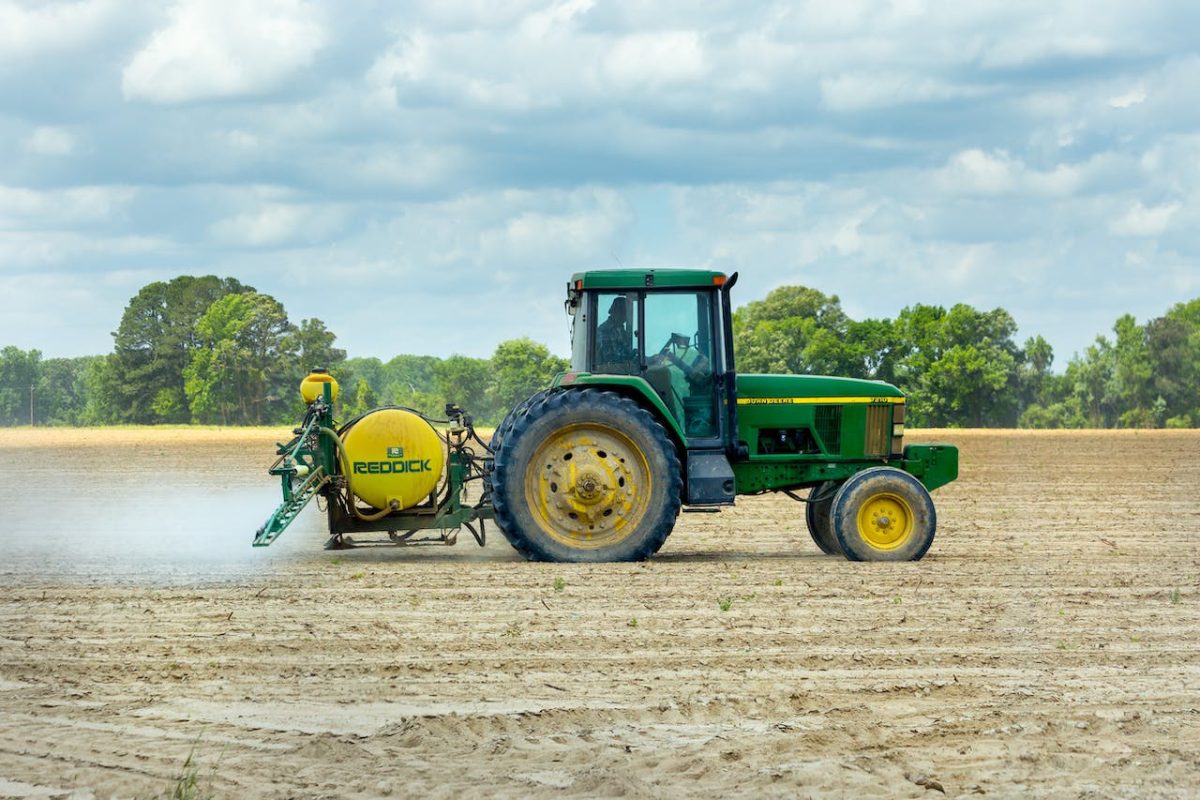
“What we need help with is the bigger stuff like the tractors and headers. We don’t have that trust and reliability that we need for general uptake.
“We only replace about five per cent of vehicles each year, and farmers get attached to their machines and need to trust the alternatives.”